Owners
Can cameras be installed in a tourist rental property? Everything property owners need to know in 2025
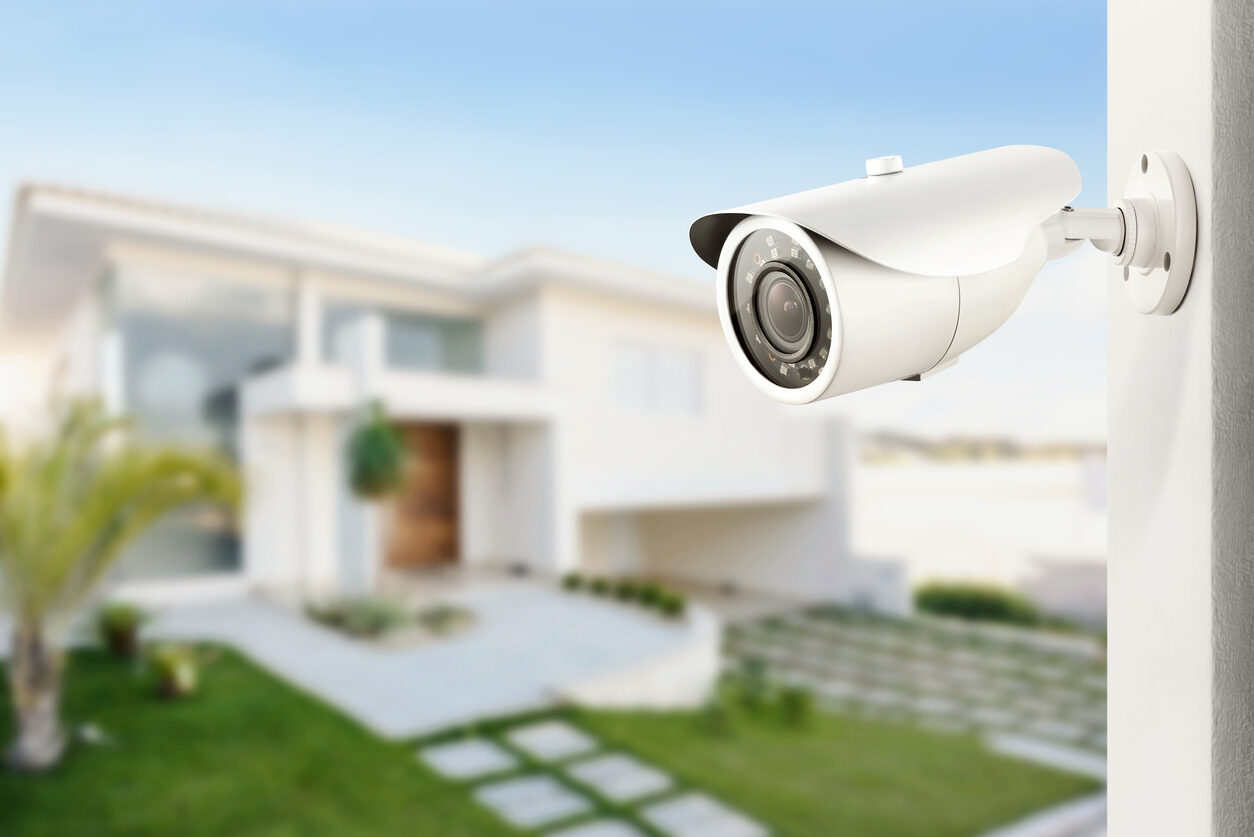
Video surveillance inside tourist accommodation is a topic that raises questions among many property owners. However, current legislation is very clear: installing cameras inside a tourist rental property is strictly prohibited. In this article, we summarise the legal basis, the scope of this prohibition, and the consequences of non-compliance, with the aim of providing a clear and up-to-date guide for all our property owners.
Data protection and privacy: why cameras are prohibited inside the property
European and Spanish data protection regulations, together with constitutional rights to privacy, establish a very strict framework regarding the use of cameras in private spaces. Below, we outline the main reasons why installing video surveillance devices inside a tourist accommodation is not permitted, even if the cameras are switched off.
1. Legal framework supporting the prohibition
Installing cameras inside a property constitutes a form of permanent and unjustified surveillance of identified or identifiable individuals. This violates several provisions of the General Data Protection Regulation (GDPR), Organic Law 3/2018 (LOPDGDD), and fundamental rights recognised by the Spanish Constitution.
a) Regulation (EU) 2016/679 – GDPR
- Article 5.1.c — Data minimisation: Continuous video recording exceeds the limits of necessity and proportionality required by the GDPR.
- Article 6.1 — Lawfulness of processing: There is no legal basis that legitimises recording in areas where individuals carry out their private lives.
- Article 7 — Consent: Any consent given by a guest would never be valid due to the imbalance of power between owner and tenant.
- Article 9 — Special categories of data: Cameras may capture intimate and protected information, such as personal habits, health data, or beliefs.
b) LOPDGDD — Organic Law 3/2018
- Article 22 — Video surveillance: Only allows the use of cameras in spaces strictly necessary for the intended purpose, never inside homes.
- The Spanish Data Protection Agency (AEPD) has confirmed this prohibition through several sanctioning resolutions, even when cameras are switched off (PS/00477/2022, PS/00003/2023).
2. Where are cameras prohibited? Scope of the regulation
The prohibition applies to any recording device located in interior areas of the property, including:
- Living rooms and common areas.
- Bedrooms.
- Kitchens.
- Bathrooms.
- Hallways and any other interior spaces.
According to AEPD rulings, the mere physical presence of a camera—even if disconnected or purely decorative—already constitutes a violation of rights.
3. Consequences of non-compliance: penalties and risks
Installing cameras inside a tourist rental property can lead to serious legal and financial consequences:
Financial penalties
- Fines of up to €20 million or 4% of annual global turnover, in accordance with the GDPR.
- Additional penalties under the LOPDGDD, which may reach €300,000 in serious cases.
Legal and reputational consequences
- Claims for violation of the right to privacy.
- Reputational damage and risk of legal disputes.
- Revocation of the tourist licence or disqualification of the property for holiday rentals.
Banus Rentals: your peace of mind and that of your guests always comes first
At Banus Rentals, we work to ensure that every property complies fully with current regulations, providing legal certainty, transparency, and trust for both owners and guests. If you have any questions regarding applicable regulations or would like to review your property’s compliance, we are at your disposal to advise you.