Owners
Andalusia Will Launch Its First University Chair on Tourist Accommodation: What It Means for the Sector
The debate around tourist accommodation has spent years caught between regulatory pressure and the sector’s defense. What has always been missing is rigorous, independent data. For the first time in Spain, a university and the sector have joined forces to produce it, and Andalusia, the region with the highest number of tourist accommodation properties in the country, is the starting point.
Four questions that the Chair will answer for the first time with data
The new Chair will focus on four specific areas:
1. A real snapshot of the supply
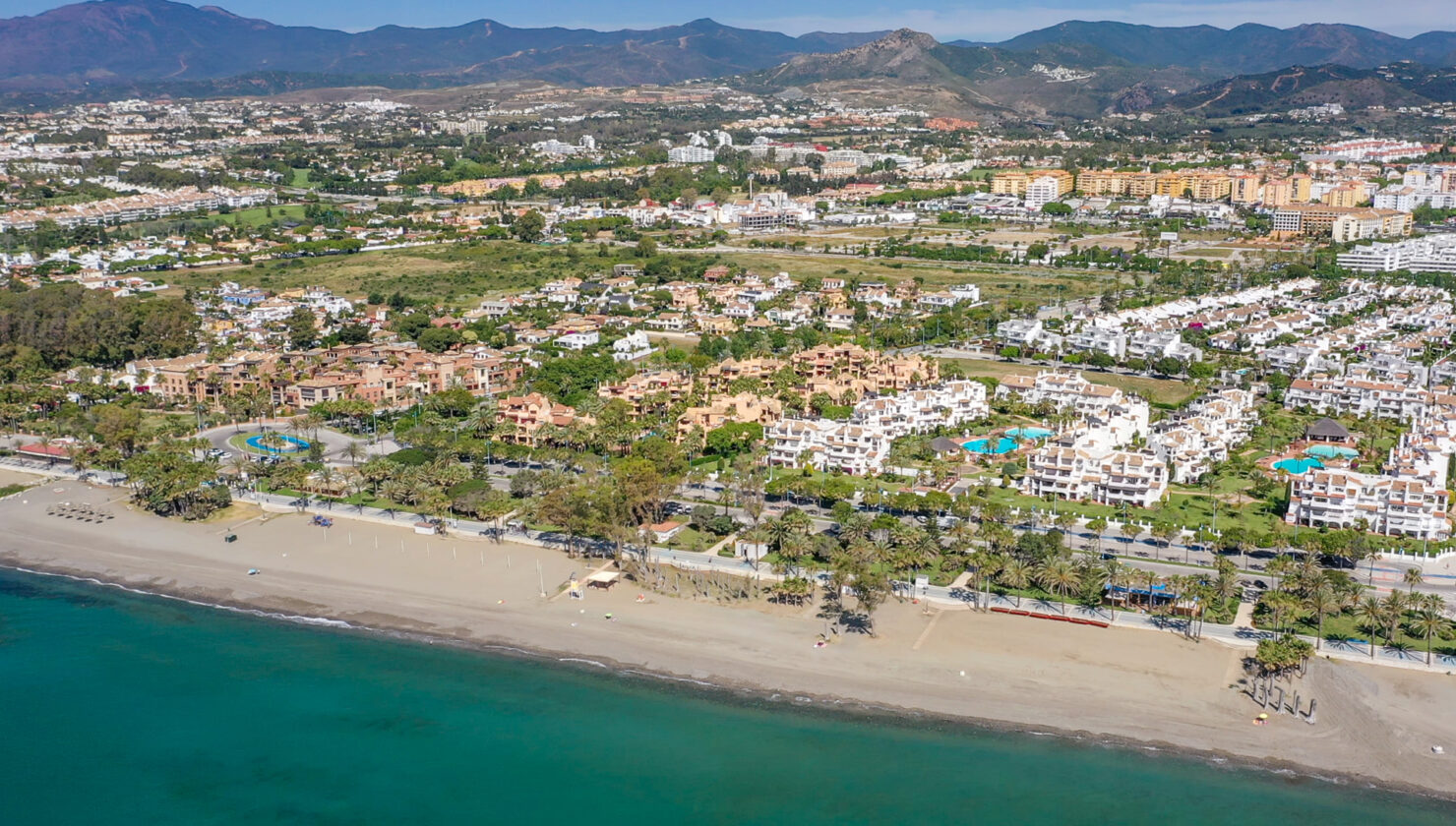
Who operates, how, and where. Today, no such map exists with sufficient rigor. And it is necessary: it makes little sense to regulate a large city, a coastal area where tourist accommodation properties are predominantly located in second-home developments, or an inland municipality in the same way. The diversity of the Andalusian territory makes this essential.
2. Impact on residential rentals
The most political question in the debate: do tourist accommodation properties drive up rental prices? International studies provide contradictory answers. Andalusia needs its own analysis, based on its real market data.
3. Economic and fiscal contribution
Employment, local commerce, municipal revenue. Quantifying what the sector contributes using a university methodology provides a solid technical argument where previously there were only estimates. This changes the weight of the conversation with town halls and public administrations.
4. Tourism in inland municipalities
Andalusia has 785 municipalities, most of them without hotel accommodation. In many of these locations, tourist accommodation is the only way to capture tourism demand. Studying this role with data opens a conversation that until now has taken place without evidence.
The context: a large sector and a debate without data
Andalusia is the region with the largest volume of tourist accommodation properties in Spain: 91,757 properties and 434,608 bed spaces according to the National Statistics Institute (INE) at the end of 2025. In Málaga, they already represent almost 50% of the province’s total tourist accommodation supply.
And yet, the debate surrounding their regulation has been driven for years more by political pressure than by evidence. The available studies have been fragmented, methodologically inconsistent and, in many cases, commissioned by parties with a vested interest in the outcome.
That is the gap this Chair aims to close.
What this means if you operate in the sector
- More predictable regulation. Regulations based on evidence and serious studies are more stable than those reacting to headlines. For those managing property portfolios or planning medium-term investments, this has direct value.
- A stronger position in public consultations. Having reference university studies improves the technical arguments available when public administrations open regulatory amendment processes.
- A more transparent market. Rigorous data highlights the difference between professional operators and those who are not. In the long term, this benefits the former.
What this means if you are considering renting out your property
The regulatory environment is changing, and it will continue to evolve. Having access to more objective information helps you make better decisions: regarding actual profitability by area, the impact of local regulations, and the potential of inland destinations where market saturation is lower.
Academic analysis does not replace professional advice, but it complements it with data that until now did not exist.
The regulatory landscape in 2026
Three contextual facts help frame the launch of this initiative:
- The Supreme Court annulled the national short-term rental register for encroaching on regional powers. The Andalusian register, already operational, remains in force.
- The reform of the Horizontal Property Act allows homeowners’ associations to veto new tourist accommodation licences, with varying effects depending on the area and the building.
- The number of tourist accommodation properties in Spain fell by 12.4% in 2025, whereas Andalusia experienced a slight increase.
This is a period of market reconfiguration. Precisely when rigorous analysis is most needed.
Who is behind the initiative
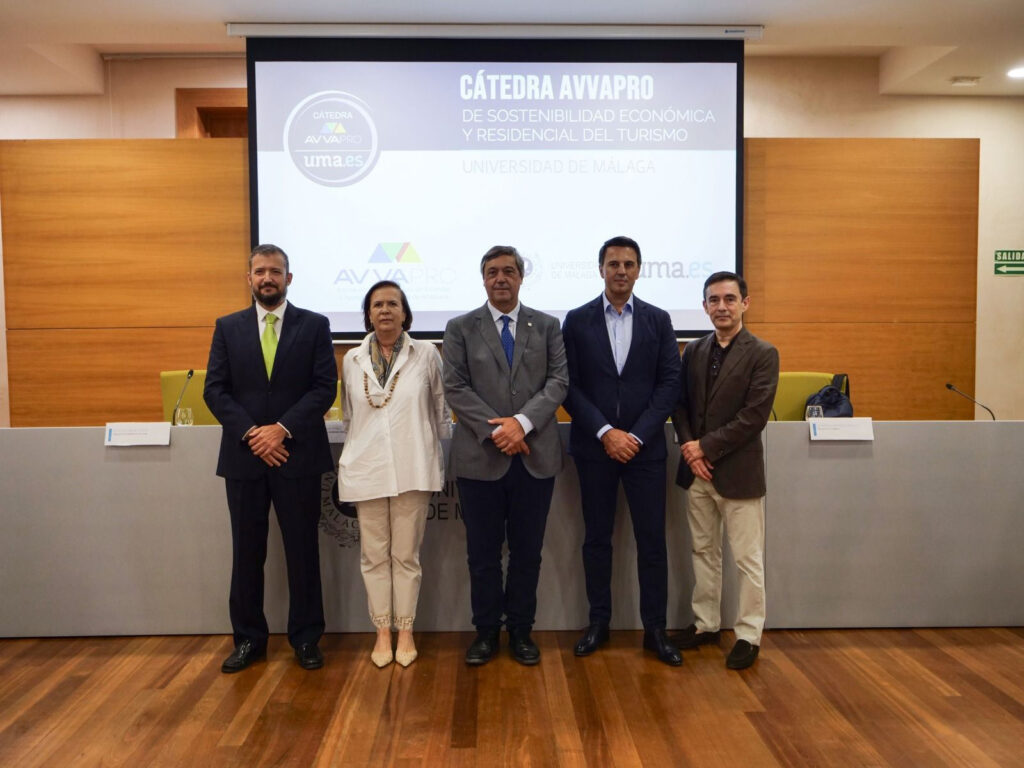
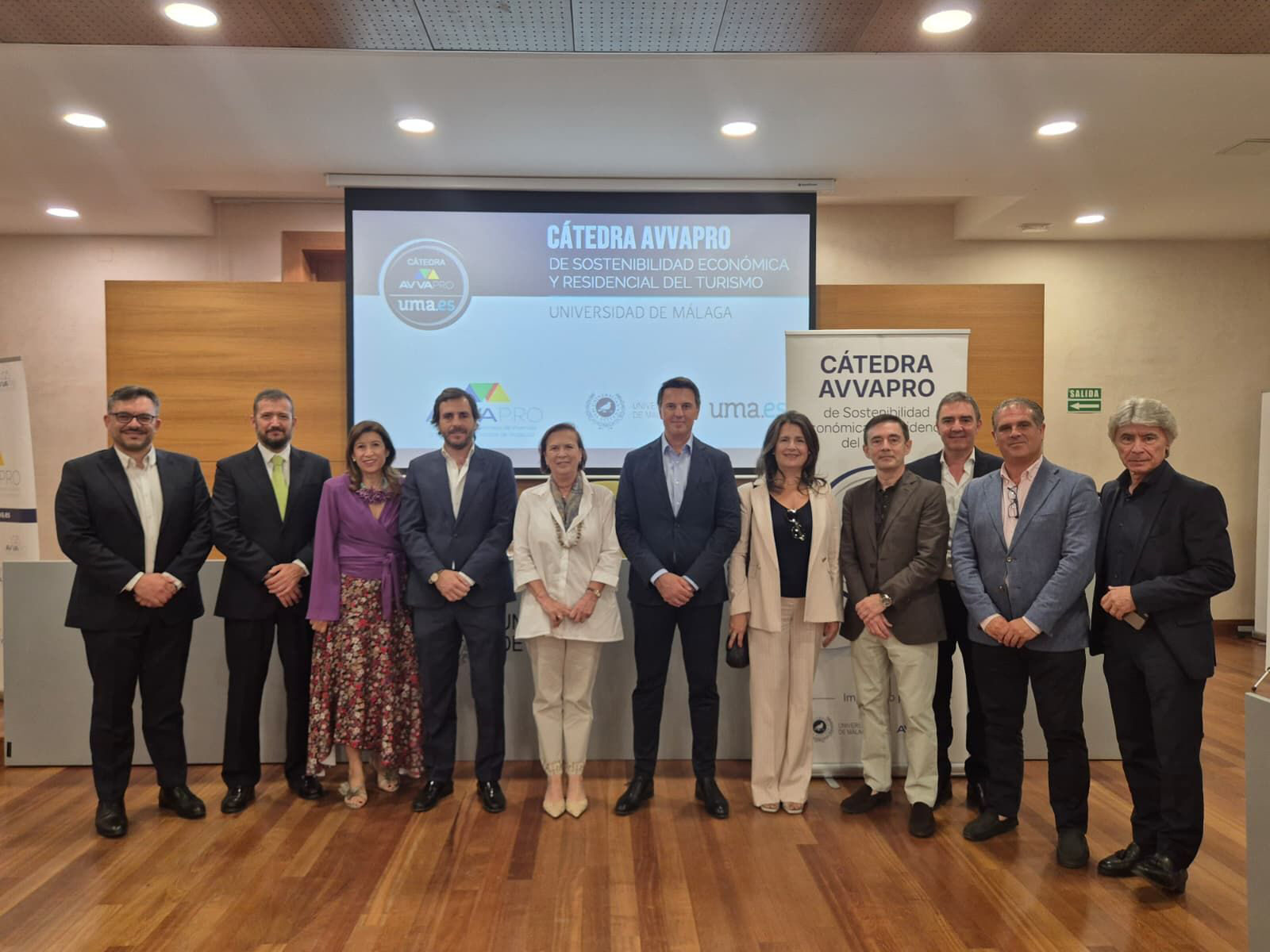
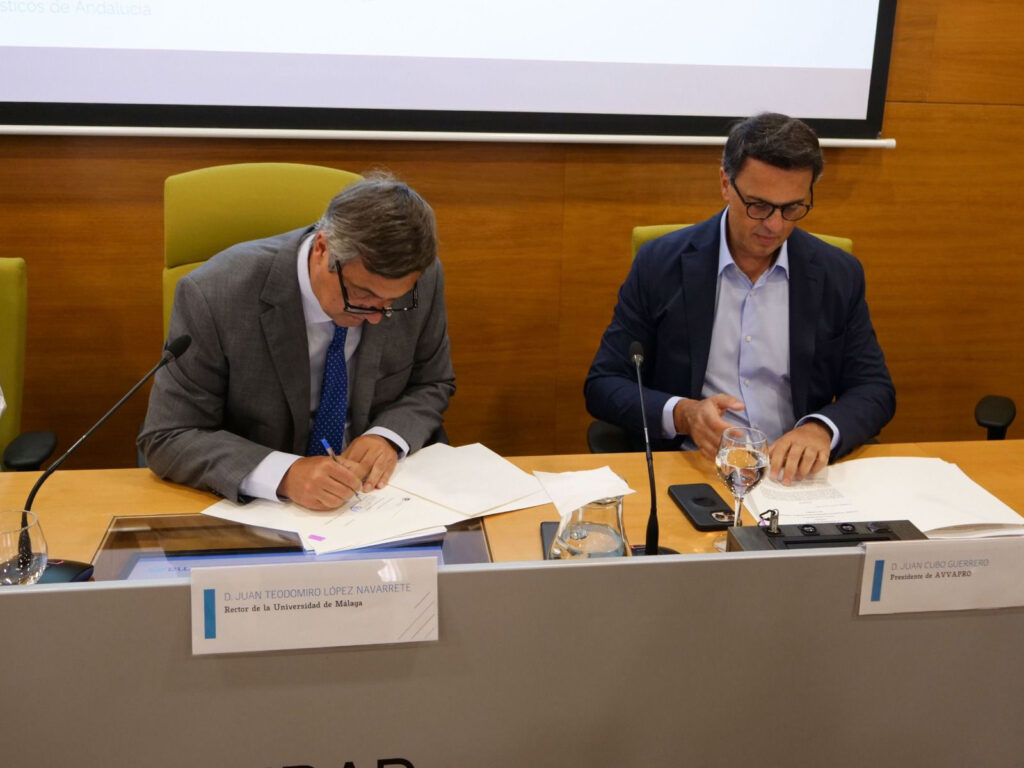
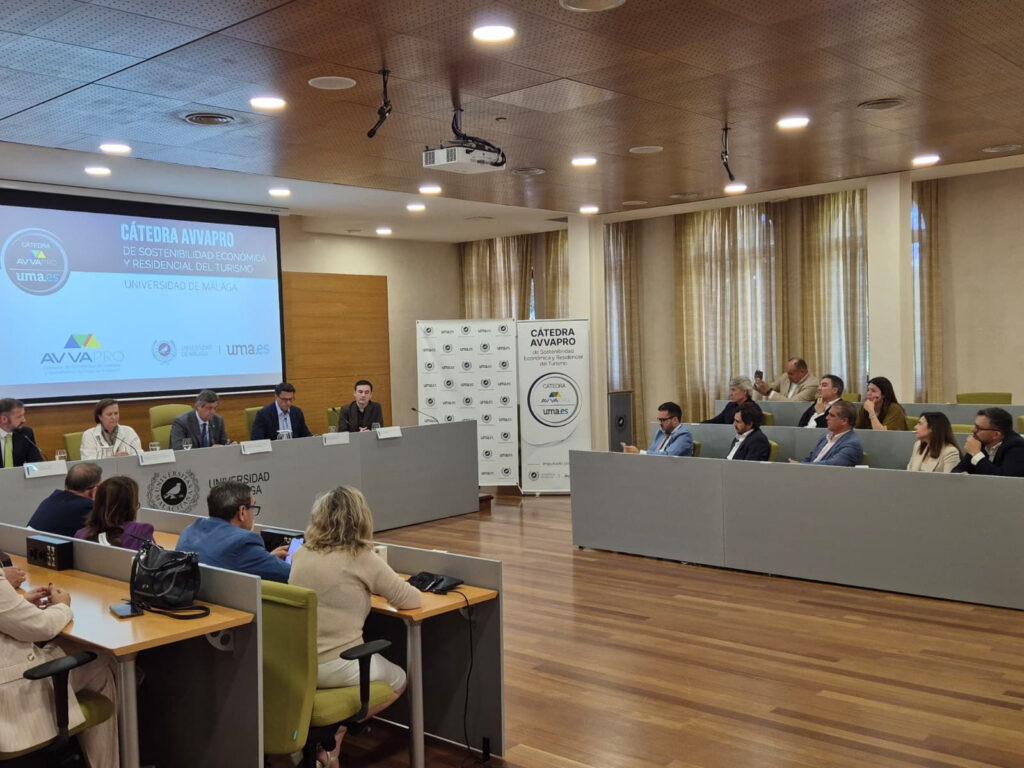
The agreement was signed on 26 May at the University of Málaga Rectorate by the Rector, Teodomiro López, and the President of AVVAPRO, Juan Cubo. The Chair will be led by Professor of Applied Economics Antonio Fernández Morales.
The event was attended by the Deputy Minister for Tourism of the Andalusian Government, Yolanda de Aguilar, the Dean of the Faculty of Tourism, Antonio Peláez, and members of the AVVAPRO Board of Directors, including Jesús García de Ahumada, CEO of Banus Rentals.
Do you own a property in Marbella and want to know whether tourist rentals are a viable option in your case? Our team can help you assess it using real market data.