Owners
Where to Watch Flamenco in Marbella: The Complete Guide to Tablaos, Taverns and Festivals
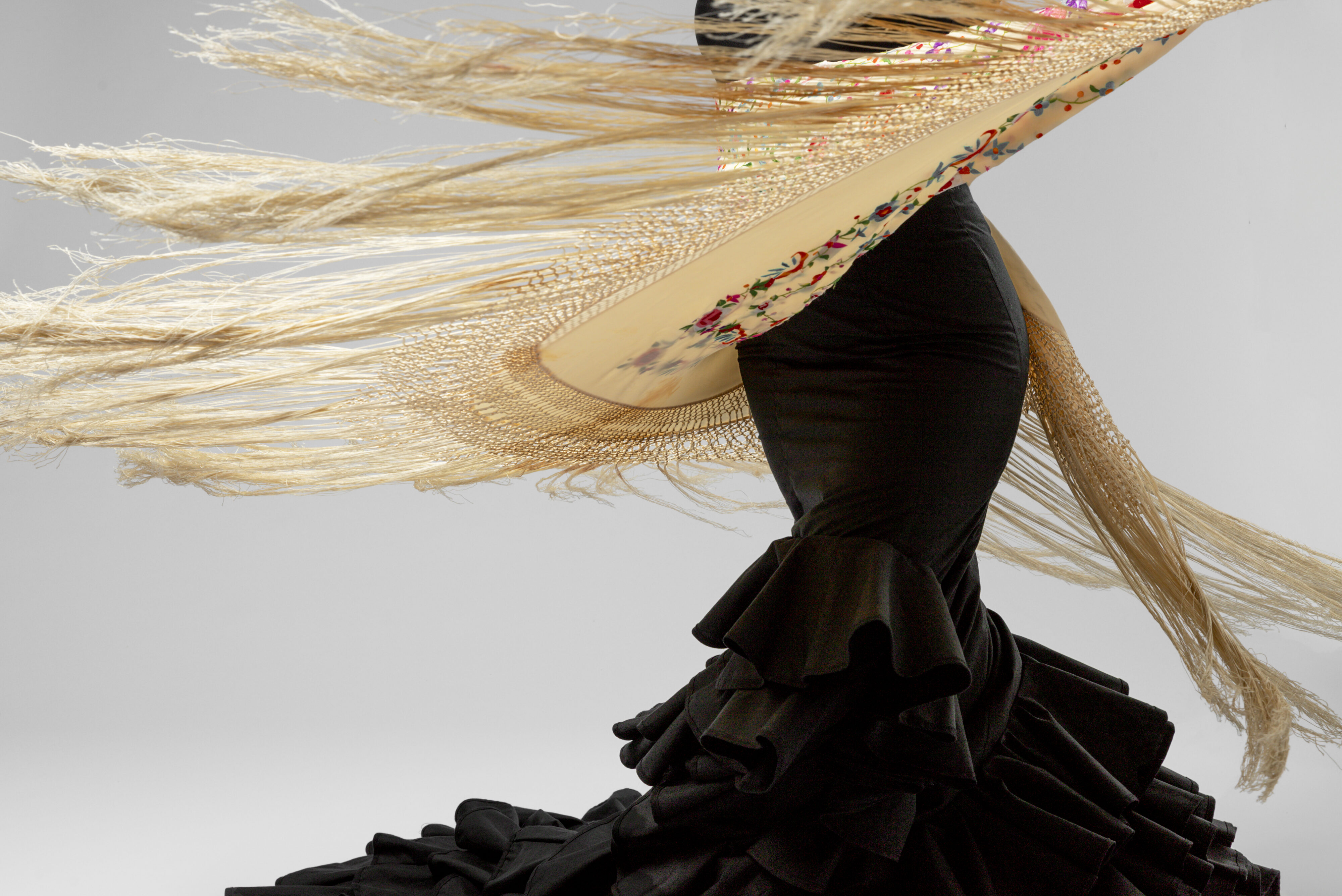
Watching flamenco in Marbella is easy, you can find a performance almost every night of the year. Knowing which venues offer the real thing and which simply look the part is another matter entirely.
This guide takes you through Marbella’s historic tablaos, intimate taverns where impromptu performances unfold naturally, exclusive members’ clubs on the Golden Mile, and the region’s most authentic flamenco festivals. You’ll also find practical information on ticket prices, performance times, booking advice and the best places to park.
Every July, while long queues form outside Puerto Banús beach clubs, another audience gathers just a few kilometres away in San Pedro Alcántara. Inside a performing arts centre, singers perform cante jondo late into the night—no dinner, no cocktails, no VIP tables, no staged spectacle. Just flamenco. Admission costs €20, and the festival behind it has been held every year since 1982 without interruption.
On that very same evening, at least five other flamenco performances take place across Marbella.
That is where the confusion begins.
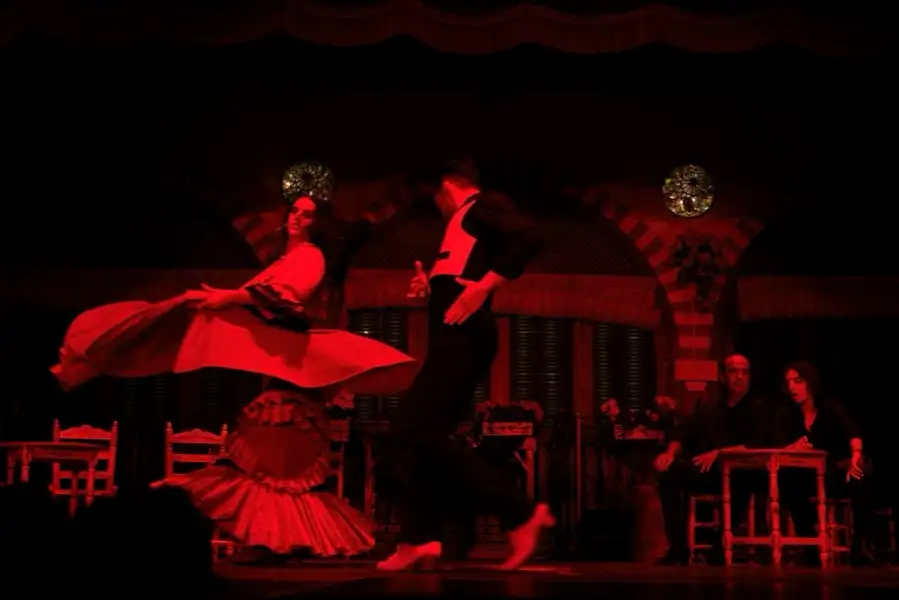
Marbella offers two very different worlds of flamenco: one created for visitors seeking an evening’s entertainment, and another sustained by genuine passion for the art form. To an outsider, they often look remarkably similar. The same promotional images. The same traditional dresses. The same promises of authenticity.
The reality is quite different.
The essentials
Authentic flamenco in Marbella can be divided into three distinct experiences.
The city’s historic Old Town tablaos—Tablao Flamenco Marbella and Ana María Los Chatos—offer traditional performances priced between €39 and €85, depending on whether drinks or dinner are included.
For a more spontaneous atmosphere, several traditional taverns host live flamenco without charging admission. Instead of buying a ticket, you simply enjoy dinner or drinks while performances emerge naturally throughout the evening. The best examples are El Bordón, The Farm, and PiCú in Puerto Banús.
Finally, there is Marbella’s large-format flamenco scene: exclusive flamenco nights at Motel Particulier on the Golden Mile, internationally renowned artists performing during Starlite Occident, and the area’s historic flamenco associations—particularly the Peña Flamenca de San Pedro Alcántara, where every member of the audience understands exactly when to applaud and encourage the performers.
The guide below explains what you can expect at each venue, how much you’ll actually spend, when you should arrive, and where to leave your car before the evening begins.
The Historic Tablaos of Marbella Old Town
Tablao Flamenco Marbella: The City’s Historic Benchmark
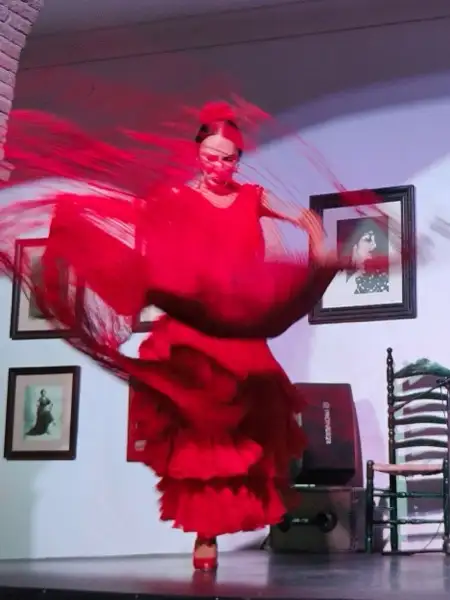
Located in Plaza del Santo Cristo, beside the church from which the square takes its name, Tablao Flamenco Marbella remains both the city’s oldest flamenco venue and its safest recommendation for anyone seeking an authentic experience.
It opened its doors in 1962 and quickly became a favourite among the international aristocracy and Hollywood stars spending their summers on the Costa del Sol. Over the decades, guests have included Sidney Poitier, Anthony Perkins, Princess Margaret, members of the Kennedy family, Antonio Banderas and Eva Longoria.
Yet celebrity visitors are not what make this venue exceptional.
Its greatest distinction is remarkably simple: performances take place without microphones.
The venue seats only around 30 guests, creating one of the most intimate flamenco experiences in southern Spain. There is no rigid script; every performance evolves naturally as the artists respond to one another on stage.
Sitting just a few metres from the dancers, you hear every footstep, every breath and every guitar string. It is at this distance that visitors begin to understand why flamenco enthusiasts speak about duende rather than choreography.
The tablao presents four performances every day of the year:
- 6:00 pm
- 7:30 pm
- 9:00 pm
- 10:15 pm
The early evening performance is particularly suitable for families, as children generally remain engaged throughout the approximately one-hour show.
Tickets
Admission with one drink costs €39, while Zone A, offering the venue’s best seats, is priced at €49.
Dinner packages cost €75, or €85 for Zone A seating.
Dinner is served either 90 minutes before the performance or immediately afterwards—never during the show itself—so it is advisable to confirm your preferred dining time when making your reservation.
One practical recommendation: upgrade to Zone A.
In a venue with only thirty seats, the additional €10 makes a noticeable difference to the overall experience. If you’re only planning to attend once, it’s money well spent.
Special August Performances
Alongside its regular programme, the tablao hosts two special concerts each August.
On 7 August, legendary local singer Cancanilla de Marbella performs an intimate recital accompanied by guitarist Chaparro de Málaga. Tickets cost €20, including one drink.
Born in Marbella in 1951 into a flamenco family, Cancanilla began performing at just eleven years old before touring internationally with José Greco and later Lola Flores. Seeing him perform in his hometown is far more than a tourist attraction—it’s an opportunity to experience one of Marbella’s living flamenco legends.
On 8 August, acclaimed singer Antonio Carbonell, accompanied by guitarist Montoyita, performs at midnight. Tickets are priced at €30, including one drink.
Address: Plaza del Santo Cristo, 4, Marbella
Ana María Los Chatos: Flamenco Around the Square
Few flamenco venues in Marbella have experienced as many ups and downs as Ana María Los Chatos.
Founded by Malaga-born dancer Ana María Moya together with flamenco artists Manuel Mateo and Isabel Gago, the tablao nearly disappeared during the pandemic, before reopening in 2022 as part of Asador Puerta del Príncipe, overlooking Plaza de la Victoria.
Unlike the more intimate atmosphere of Tablao Flamenco Marbella, this venue actively encourages audience participation.
Performers regularly invite guests to clap, sing and become part of the evening, creating a lively atmosphere that works particularly well for groups celebrating together.
The restaurant serves Mediterranean cuisine centred around charcoal-grilled meats, while favourites include its homemade gazpacho and Iberian ham croquettes.
Admission with a drink generally costs €20–25, while dinner is ordered separately from the à la carte menu.
To put it simply, this is Marbella’s liveliest tablao.
If you’re looking for an energetic evening full of atmosphere, it’s an excellent choice.
If, however, you’re hoping to experience the quiet intensity of a seguiriyas performance in complete silence, you’ll probably prefer another venue.
Address: Plaza de la Victoria, Marbella.
Tablao La Flamenca
One of Marbella’s newest flamenco venues, Tablao La Flamenca is located in the city centre and features a rotating cast of performers with consistently positive reviews.
Although it lacks the long history of Marbella’s two classic tablaos, it provides an excellent alternative during the summer months, when both historic venues are frequently fully booked.
Flamenco Taverns: Where the Most Authentic Performances Happen
For many flamenco enthusiasts, this is where Marbella’s most genuine flamenco comes alive.
There are no tickets, no fixed showtimes and no captive audience waiting for a scheduled performance. Instead, music simply happens.
Taberna El Bordón
Tucked away on Calle Pantaleón in Marbella’s Old Town, El Bordón feels exactly as a traditional Andalusian tavern should.
Whitewashed walls, exposed brickwork, vintage bullfighting photographs and flamenco memorabilia create an atmosphere that is unmistakably local. The kitchen serves traditional Andalusian dishes with a contemporary touch, with highlights including slow-cooked Iberian pork cheeks, bluefin tuna belly and grilled octopus.
The real magic, however, comes from its owner.
Manuel de la Josefa is both a respected flamenco singer and an accomplished restaurateur. On many weekend evenings, he transforms the restaurant into an informal tablao where performances emerge naturally rather than following a programme.
When fellow musicians drop in—as they often do—the evening can quickly become unforgettable. Artists such as Tomatito and Vicente Amigo have been known to join impromptu performances here, without posters, announcements or scheduled start times. The music simply begins whenever inspiration strikes.
There is no admission fee. Guests simply order dinner or drinks, with the average spend sitting at around €40 per person.
The restaurant opens from 6:00 pm until midnight on Tuesdays, and from lunchtime until midnight Wednesday through Sunday. It is closed on Mondays.
When flamenco takes place, performances usually begin between 10:30 pm and 11:00 pm.
Insider tip: reserve a table for around 10:00 pm. If no tables remain, don’t leave—grab a seat at the bar instead. Many regulars would argue it’s actually the best place in the house.
The Farm
Housed inside a beautifully restored 500-year-old Andalusian mansion, The Farm offers one of Marbella’s most atmospheric dining settings.
Its traditional courtyard regularly hosts live flamenco performances, while the kitchen focuses on locally sourced ingredients, including Malaga goat, Mediterranean sea bass and an impressive selection of Andalusian wines, including natural wines from nearby Ronda.
Vegetarian, vegan and gluten-free options are also thoughtfully prepared.
Live flamenco is scheduled on Tuesdays, Thursdays and Sundays from around 7:00 pm, while Fridays and Saturdays feature resident DJs instead.
There is no separate ticket. The performance forms part of the dining experience, unfolding naturally among the restaurant’s tables rather than on a raised stage.
Programming changes throughout the season, so it’s always worth checking the weekly schedule before visiting.
PiCú – Puerto Banús
If you’re staying in Puerto Banús and would rather not travel into Marbella’s Old Town, PiCú offers perhaps the area’s most convenient flamenco experience.
Located directly on Muelle Benabola, overlooking the marina and its luxury yachts, the restaurant combines Mediterranean cuisine, seafood and rice dishes with live flamenco performances on its outdoor terrace.
The main flamenco show takes place every Thursday, usually between 7:30 pm and 8:00 pm.
During the peak summer season, performances are also added on Tuesdays.
For something more relaxed, Sunday afternoons from 4:00 pm until 6:00 pm feature live flamenco guitar rather than a full dance performance, creating the perfect soundtrack for a leisurely lunch overlooking the harbour.
Club Flamenco: Motel Particulier & Nido Estepona
Here, flamenco moves into a completely different world.
This is no longer about traditional tablaos.
Instead, internationally recognised artists perform in exclusive members’ clubs where access is limited and the experience blends fine dining, signature cocktails and live music.
Motel Particulier
Located inside the historic Aresbank building on Marbella’s prestigious Golden Mile, Motel Particulier is one of Spain’s most exclusive private members’ clubs.
Created by Grupo Mosh in collaboration with Grupo Dani García, the venue occupies two floors decorated in rich red velvet, with private lounges, French-inspired gastronomy created by Executive Chef Franco Franceschini, and an award-winning cocktail programme curated by Elijah Bentolila.
Membership or invitation is normally required, and discretion remains central to the club’s identity.
Its inclusion in this guide is due to one reason alone:
its flamenco programme regularly features some of Spain’s finest artists.
The club traditionally hosts Thursday Flamenco Nights, bringing nationally acclaimed performers to an intimate club setting.
Recent performances have included Pitingo, who appeared in June 2026 with his celebrated blend of flamenco and soul.
Previous seasons have welcomed renowned artists including:
- Kiki Morente
- Estrella Morente
- Antonio Carmona
- Remedios Amaya
- Farruquito
Important to know
Unlike a traditional tablao, Motel Particulier does not sell individual show tickets.
Events are announced only a few weeks in advance, and performances featuring major artists usually sell out almost immediately.
Reservations must be requested through the club’s website and are subject to approval by the membership team.
Nido Estepona
Also part of Grupo Mosh, Nido Estepona offers a completely different interpretation of live flamenco.
Located within The Edge residential development near Costa Natura, approximately eight kilometres from Estepona’s town centre, the beach club combines Mediterranean architecture, turquoise pools, sea-facing terraces and contemporary coastal cuisine centred around seasonal local produce.
Rice dishes, fresh vegetables from Malaga and locally sourced tuna dominate the menu.
Throughout the summer season, Nido presents a programme of live performances alongside wellness experiences, designer pop-up boutiques and cultural events celebrating Andalusian traditions.
Flamenco here is designed for sunset rather than midnight.
Instead of the intensity and intimacy of a traditional tablao, guests experience live music with the Mediterranean as a backdrop while the evening light fades over the sea.
Because programming changes frequently, flamenco performances are usually announced only a few days in advance via Instagram.
If live flamenco is your main reason for visiting, it’s advisable to confirm the schedule by phone before booking.
As with Motel Particulier, all reservations require confirmation by the venue’s team.
Practical tip
Finding Nido for the first time can be surprisingly confusing.
Don’t simply enter “Estepona Centre” into your navigation system.
Instead, use the venue’s exact location, as the access road from the A-7 motorway often catches visitors out.
Large-Scale Flamenco: Starlite, Festivals & Flamenco Associations
Starlite Occident 2026
Held in the spectacular Nagüeles Quarry, Starlite Occident returns from 19 June to 29 August 2026 for its fifteenth edition, featuring 49 concert nights. While the festival is internationally known for attracting global music stars, this year’s flamenco programme is among the strongest of the Spanish summer season.
The month begins on 1 August with Rosario, whose unmistakable blend of flamenco, rumba and pop has made her one of Spain’s most beloved performers.
On 6 August, Estrella Morente, Soleá Morente and acclaimed guitarist Yerai Cortés share the stage for one of the festival’s standout evenings. Soleá, daughter of the legendary Enrique Morente, has become one of the leading voices of contemporary flamenco while remaining deeply rooted in traditional styles.
Niña Pastori performs on 21 August, celebrating more than twenty-five years as one of the defining voices of modern flamenco-pop without ever losing sight of her flamenco heritage.
The following evening, Pastora Soler brings together flamenco, copla and contemporary Spanish music in a powerful live performance.
Completing the flamenco-inspired programme are the Gipsy Kings, while the wider festival also welcomes artists including Lenny Kravitz, Maroon 5, Deep Purple, John Legend, Diana Krall, Jean-Michel Jarre, Malú, Taburete and Ara Malikian.
Ticket prices vary according to artist, date and seating category. During August, standard tickets have ranged from €21 for Antonio José to approximately €59 for Antoñito Molina’s second performance, with VIP areas and private boxes available at additional cost.
The venue opens from around 8:00 pm, and arriving early is highly recommended. Visitors can enjoy four different dining concepts as well as the Starlite Lounge, where pre-show entertainment creates an atmosphere long before the main concert begins.
San Pedro Alcántara Flamenco Singing Festival
If Marbella has one flamenco event that can genuinely be described as the real thing, this is it.
Organised every year since 1982 by the Peña Flamenca de San Pedro Alcántara, the festival has nothing in common with tourist-oriented performances.
This is traditional flamenco performed for an audience that truly understands the art.
The 43rd edition took place on Saturday 11 July 2026 at the La Alcoholera Performing Arts Centre, beginning at 10:00 pm.
This year’s line-up featured singers:
- Jesús Méndez
- Remedios Reyes
- Filo de los Patios
- Caracolillo de Cádiz
Accompanied by guitarists:
- Vicente Santiago
- Julio Romero
- Juan Benjumea
- Manuel Jero
The dance performance was led by María Montaño, while Salvador de la Peña acted as master of ceremonies.
Tickets were priced at €20 for the general public and €15 for members, available from the Peña headquarters or directly at the venue from two hours before the performance.
Missed this year’s festival?
There is still plenty to enjoy.
The Peña resumes its monthly flamenco evenings each September, while its traditional summer beach gathering (moraga) continues during August.
The next edition of the festival will take place in July 2027.
The Peña Flamenca: Where Locals Go
If, by “authentic flamenco”, you mean the version that local enthusiasts themselves attend, then there is only one address worth knowing:
Peña Flamenca de San Pedro Alcántara.
Located above the Municipal Market on Caravaca Street, it is the oldest flamenco association in the Marbella area.
The organisation traces its origins back to 21 June 1980, becoming officially registered later that same year under founding president Francisco Álvarez Ravira.
Today it counts 116 active members and belongs to both the Provincial Federation of Flamenco Associations of Málaga and the Andalusian Confederation of Flamenco Associations.
Its intimate venue hosts two flamenco galas every month between September and June, welcoming both established artists and promising young performers through exchange programmes with other flamenco associations across Andalusia.
During July and August, when indoor performances become less practical because of the heat, the Peña moves outdoors for its traditional moraga on the beach—an evening of grilled seafood, open fires and spontaneous flamenco singing that has remained unchanged for generations.
Admission is usually very affordable and many events are open to non-members.
More importantly, this is the only venue in this guide where every single member of the audience knows exactly when to clap, cheer and encourage the performers.
The difference is immediately noticeable.
Flamenco Beyond Marbella
Estepona
Over recent years, Estepona has built one of the Costa del Sol’s strongest municipal flamenco programmes, with many events offered free of charge.vOn 1 August, La Movida Flamenca returns to Parque El Ángel, combining flamenco with contemporary pop music.
This year’s edition features Zenet and Jerez-born singer Felipa del Moreno, joined by local guitarist Daniel Casares and Javier Ojeda as guest performers.
The rest of August continues with an impressive programme including:
- Sólo Flamenco Academy at Plaza del Reloj (4 August)
- Spanish Dance & Flamenco at Parque El Calvario (11 August)
- Piratas Flamencos, as part of the Jamón Music Festival (13 August)
- “Raíces y Herencia”, performed by Lourdes Bazán and José de Lourdes at the Orchid Botanical Park (22 August)
Another popular venue is Mi Caseta, which transforms Estepona’s Fairground into an open-air tablao complete with live music, dancing and a complimentary glass of Manzanilla sherry from Sanlúcar.
Dinner is optional, featuring classic Andalusian dishes such as Iberian ham, mature cheese, shrimp fritters, Russian salad and marinated fried dogfish.
In 2026, performances take place:
- Thursdays and Fridays during July and August
- Fridays throughout September and October
If you’d like a dinner table, book well in advance, as dinner packages usually sell out before show-only tickets.
Benahavís
Every Friday evening, the luxurious Anantara Villa Padierna Palace hosts its Flamenco Night in a traditional village tavern, pairing authentic performances with classic Spanish cuisine in an intimate setting.
Reservations are handled directly through the hotel.
Ojén
The increasingly popular Ojeando Festival has also embraced flamenco in recent editions.
In 2026, La Flamenca performed on 26 June at Colegio Los Llanos, with free admission.
Torremolinos
For families, Noche Andaluza offers a different type of cultural evening.
The experience begins with an Andalusian horse show every Wednesday at 5:45 pm, followed by dinner and a traditional flamenco performance featuring both singing and dancing.
Its accessible format makes it especially popular with organised groups and visitors travelling with children.
How to Buy Tickets
The general rule is simple: booking directly through the venue’s official website is usually the cheapest option.
Platforms such as Civitatis and Fever normally sell tickets at official prices, although they may add booking fees. Their main advantage is greater flexibility—Civitatis, for example, offers free cancellation up to 24 hours before the event—something that direct bookings do not always provide.
Here’s how each venue operates:
- Tablao Flamenco Marbella: book via the official website or call +34 681 069 705.
- Ana María Los Chatos: reservations are made by telephone.
- El Bordón, The Farm and PiCú: there are no show tickets; simply reserve a table.
- Motel Particulier and Nido Estepona: reservations are requests that must be approved by the venue.
- Starlite Occident: tickets are available through the official website and Ticketmaster.
- San Pedro Flamenco Festival: tickets are sold in person at the Peña headquarters or at the box office on the day of the event.
Three Tips That Will Save You Problems
- Book early. Between June and September, reserve at least three to five days in advance, as some venues—particularly Tablao Flamenco Marbella—have extremely limited seating.
- Don’t print your tickets. Mobile tickets are accepted everywhere.
- Travelling in a group of more than ten? Call the venue directly rather than booking online. Most venues offer special arrangements for larger groups, although these are rarely advertised.
Getting There & Where to Park
Parking is probably the biggest challenge when planning a flamenco evening in Marbella.
Fortunately, with a little preparation, it’s easy to avoid unnecessary stress.
Marbella Old Town
The Old Town is entirely pedestrianised, so attempting to drive directly to Plaza del Santo Cristo or Calle Pantaleón is simply not possible.
The nearest option is Parkia Plaza de la Victoria, accessed via Calle Huerta Chica.
It offers:
- 109 parking spaces
- 24-hour access
- Lift access
- Approximately five minutes’ walk from Plaza de los Naranjos
Expect to pay around €5 per hour, or approximately €25 for a full day.
There are two minor drawbacks:
- the entrance ramp is fairly steep
- parking spaces are narrow, making larger SUVs less comfortable to park.
Alternative car parks include:
- APK2 Arias Maldonado (usually cheaper, around €16 per day)
- Parking Avenida del Mar
- Mercado Municipal Parking, useful when other options are full.
Money-Saving Tip
Download the Parkia App before your visit.
It frequently offers discounts of up to 50% on standard parking rates, saving around €10–12 during an evening out.
Taking a Taxi
If you plan on enjoying dinner and drinks, a taxi is often the easiest solution.
From Puerto Banús to Marbella Old Town, the journey takes approximately 12–15 minutes.
Visitors staying along Marbella’s seafront promenade can simply walk.
Crossing Parque de la Alameda and following Avenida del Mar, the Old Town can be reached in under 10 minutes.
Starlite Occident
The festival is reached via the A-7 motorway, Exit 181 (Nagüeles).
The venue sits approximately:
- 3.5 km from Marbella town centre
- 15 minutes from Puerto Banús
Parking is available on site but regularly reaches capacity.
After concerts finish, traffic leaving along the Istán Road can become slow due to the narrow mountain access.
During the festival, the dedicated Starlite Occident shuttle bus operating from Marbella is often the quickest and most convenient option.
Puerto Banús
Underground marina car parks begin filling up from around 8:00 pm during the summer months.
Many locals prefer parking in Nueva Andalucía before walking approximately 10 minutes to the marina.
San Pedro Alcántara
Parking is considerably easier here.
The La Alcoholera Performing Arts Centre offers surface parking nearby, while visitors attending events at the Peña Flamenca can use the Municipal Market car park directly beside the venue.
Five Essential Flamenco Etiquette Rules
Authentic flamenco has its own unwritten code of conduct.
Following these simple rules will help you enjoy the performance respectfully.
1. Keep Quiet During the Singing
- Flamenco dancing welcomes applause and encouragement.
- Traditional cante jondo does not.
- When the singer performs alone, silence is expected.
2. Timing Matters
- An “¡Olé!” should never be random.
- It comes naturally at the end of a verse, after an impressive guitar passage or during a powerful dance finale.
- If you’re unsure, simply listen and follow the audience.
3. Don’t Clap Unless You Know the Rhythm
- Flamenco rhythm (compás) is highly structured.
- Clapping incorrectly distracts both performers and audience.
- When in doubt, simply enjoy listening.
4. Put Your Phone Away
- In an intimate venue seating only thirty guests, a bright phone screen distracts everyone.
- Take your photographs once the performance has finished, when the artists usually return to the stage for their final applause.
- Most are happy to pose afterwards.
5. Arrive Early
- Walking into the venue halfway through a performance interrupts both artists and audience.
- Plan to arrive 15–20 minutes before the show begins.
Frequently Asked Questions
Where can you experience the most authentic flamenco in Marbella?
For traditional flamenco performed for knowledgeable local audiences, visit the Peña Flamenca de San Pedro Alcántara.
For an intimate professional performance, Tablao Flamenco Marbella has presented flamenco without microphones since 1962.
For spontaneous performances, Taberna El Bordón is the best choice, particularly on weekend evenings.
How much does a flamenco show in Marbella cost?
Prices generally range from €20 to €85, depending on the venue and whether food is included.
At Tablao Flamenco Marbella, tickets cost:
- €39 with one drink
- €49 for Zone A seating
- €75 with dinner
- €85 for dinner plus Zone A seating
Ana María Los Chatos charges around €20–25, including one drink.
The San Pedro Flamenco Festival costs €20.
Restaurants such as The Farm and El Bordón do not charge admission; guests simply pay for food and drinks.
Can you watch flamenco every day in Marbella?
Yes.
Tablao Flamenco Marbella presents four performances daily, 365 days a year, while Ana María Los Chatos also hosts nightly shows.
Can you watch flamenco for free?
Yes.
Restaurants such as The Farm and El Bordón include live flamenco as part of the dining experience, with no separate ticket required.
For completely free performances, nearby Estepona offers several open-air flamenco events throughout the summer.
Should I book in advance?
Absolutely.
During the high season (June to September), booking three to five days ahead is strongly recommended, particularly for Marbella’s smaller venues.
Can non-members visit Motel Particulier?
Access is generally limited to members and invited guests. But, reservations can be requested through the club’s website or approved hospitality partners, although entry is always subject to confirmation.
Individual performance tickets are not available.
Is there flamenco in Puerto Banús?
Yes.
PiCú, located on Muelle Benabola, hosts flamenco shows on Thursdays (and Tuesdays during peak summer), alongside Mediterranean dining overlooking the marina.
Live flamenco guitar performances also take place on Sunday afternoons.
Which is the area’s best flamenco festival?
The San Pedro Alcántara Flamenco Singing Festival, now in its 43rd edition, is widely regarded as the region’s most authentic festival.
For large-scale international productions, Starlite Occident offers one of Spain’s strongest flamenco line-ups each August.
Where should I park when visiting a tablao?
The best option is Parkia Plaza de la Victoria, located just a five-minute walk from Marbella Old Town.
The Old Town itself is pedestrian-only.
Are flamenco shows suitable for children?
Yes.
The early 6:00 pm performance at Tablao Flamenco Marbella is particularly popular with families.
Exclusive club venues such as Motel Particulier, however, are intended for adults only.
Prices, schedules and event information were verified in July 2026 using each venue’s official website and the cultural programmes published by the municipalities of Marbella and Estepona. As flamenco programming changes throughout the year—particularly at Motel Particulier, Nido Estepona and The Farm—it is always advisable to confirm the latest schedule directly with the venue by phone or via Instagram before travelling.