Activities
Bike route along Marbella’s coastal path: 22 km by the sea that even most locals haven’t fully explored
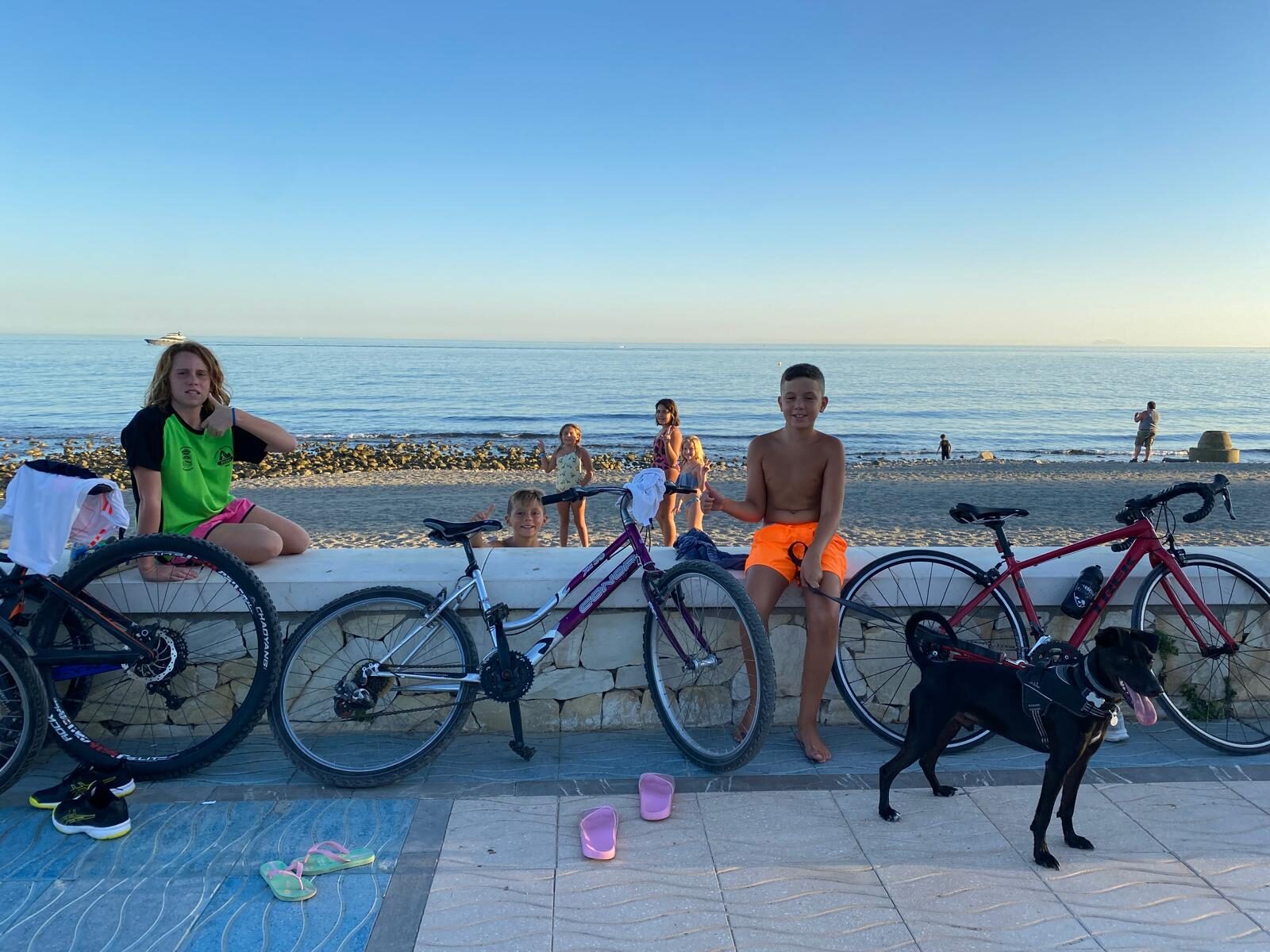
Ask ten people from Marbella if they’ve done the entire coastal path, from Cabopino to San Pedro Alcántara, and nine of them will say yes. “Of course, the promenade.” Push a little further. Ask them if they’ve crossed the new Río Real footbridge, seen the Roman mosaics of Río Verde or cycled through the Artola Dunes at sunrise. That’s when they start looking at the floor.
The truth is that Marbella’s coastal path is one of the most spectacular cycling routes on the entire Costa del Sol: 22 kilometres almost entirely by the beach, flat, shaded in parts, with beach bars every few minutes along the way, and yet very few people have actually ridden it from end to end. This is the guide to doing it properly.
What exactly is the coastal path?
The Málaga Coastal Path is a project by the Provincial Council that connects the 180 kilometres of Málaga coastline, from Manilva to Nerja, through promenades, wooden walkways, cycle lanes and converted pedestrian paths. It is the coastal version of the Gran Senda de Málaga and, although some sections are still unfinished, almost everything within Marbella’s municipality is already accessible: around 27 km of coastline between San Pedro Alcántara and Cabopino, of which approximately 22 km can already be cycled without major interruptions.
As of 2026, a few links east of Marbella are still being completed, but the key sections, including the new Río Real to Los Monteros walkway, 700 metres long and 3 metres wide, are already open.
The full route, from west to east
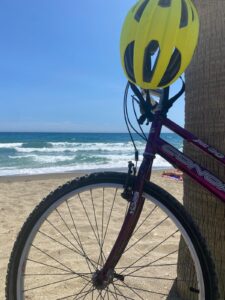
The most logical way to do it is from San Pedro Alcántara to Cabopino, because the morning sun stays behind you, the westerly wind is more common than the easterly, and finishing at the Artola Dunes leaves you in one of the most beautiful spots on the coast for a swim. If you ride the whole route, allow between 2 and 3 hours at a relaxed pace, plus stops.
Kilometre 0 to 4: San Pedro Alcántara and Río Verde Bridge
You start on San Pedro’s promenade, a wide, tidy and very family-friendly stretch. Within a few minutes you come across the hidden gem of the route: the Río Verde pedestrian bridge, the longest in Spain, stretching more than 110 metres above the river. The view towards La Concha mountain from the top is postcard-perfect.
Right next to it, barely requiring a detour, is the Río Verde Roman Villa, an archaeological site dating back to the 1st and 2nd centuries AD, famous for its mosaics, especially the Medusa mosaic. Entry is free, no booking needed, and you can visit it in fifteen minutes. No Marbella local under 50 seems to remember it exists.
Kilometre 4 to 8: Puerto Banús and the bustle
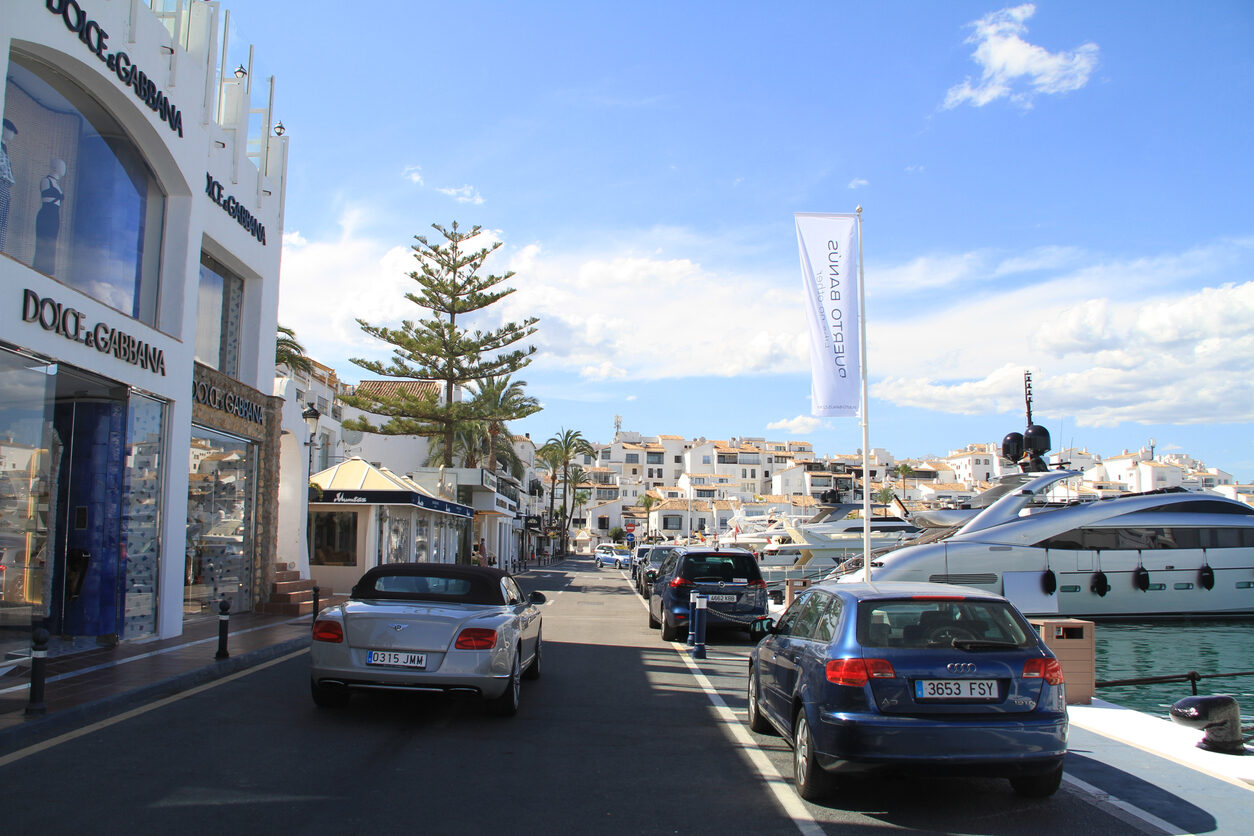
Here the path cuts through the heart of Puerto Banús. You ride alongside the yachts, dodge tourists carrying Louis Vuitton shopping bags and, if you’re hungry, stop at one of the beach bars around Levante or Antonio Beach. Local tip: in July and August this stretch becomes a pedestrian nightmare, so it’s best tackled before 11 am or with a good dose of patience.
Kilometre 8 to 12: The Golden Mile
Probably the most beautiful stretch of the entire route. Leaving Puerto Banús behind, the path runs past Marbella Club and Puente Romano, with their private piers, some of the best-kept beaches on the coast and gardens opening directly onto the sea. This is where you slow down, not because you have to, but because you want to. There are showers, clean public toilets and classic beach restaurants such as Trocadero Arena or Estrella del Mar where you can stop for a drink.
Kilometre 12 to 16: Marbella Town Centre and Playa del Cable
You arrive at Marbella’s urban promenade, pass the Arch monument, cross through La Bajadilla and enter Playa del Cable. From here the atmosphere changes: less glamour, more local life, lifelong Marbella families and authentic chiringuitos. A perfect place to stop for an espeto.
Kilometre 16 to 20: the new Río Real to Los Monteros walkway
This is the stretch most people still haven’t done. The wooden walkway between Río Real and Los Monteros, 700 metres long and 3 metres wide, opened recently as part of the eastern expansion project. It crosses protected dunes and pine forests, with uninterrupted sea views and practically no buildings behind you. Without question, it is the wildest corner of the entire route.
Kilometre 20 to 22: Las Chapas and Artola Dunes
The final stretch takes you to the Artola Dunes, declared a Natural Monument: wooden walkways winding through living dunes, junipers and coastal shrubs. It is one of the few remaining dune systems on the Costa del Sol and cycling through it at sunset feels like being in another world entirely. You finish in Cabopino, the smallest and prettiest fishing harbour in the municipality. Well-earned beer waiting on one of its terraces.
How and when to do it
Best time of year: from October to May. In peak summer there are simply too many people walking the same sections and the midday heat is unforgiving. If you go in July or August, start before 9:00 or after 19:00.
Type of bike: anything works. The route is completely flat, with no significant climbs. A city bike or cruiser is perfect. If you’re riding with children, an electric bike helps them keep up without collapsing halfway through.
Bike rental: Marbella has several shops renting bikes by the day, usually including a lock and helmet. Sunbikes and Marbella Rent a Bike are among the best known, with prices starting from around €15 per day for a city bike and between €25–35 for an electric one. Book online if you’re visiting during high season.
What to bring: water (there are fountains along the route, though not everywhere), sun cream, a waterproof phone pouch, a couple of small notes for the beach bars and a decent lock if you plan to stop for longer breaks.
The advantage of staying in Puerto Banús or Nueva Andalucía
If you stay in one of the Banus Rentals apartments in Puerto Banús or Nueva Andalucía, you are literally right on kilometre 4–5 of the route. No car needed, no taxi, no complicated logistics: you walk out the door, stroll three minutes to the promenade and you are already on the coastal path. You can cycle half the route towards San Pedro in the morning, return to the apartment for lunch, and then head east in the afternoon for as far as you feel like going.
For an active weekend escape, this combination (apartment in Banús + bike rental + coastal path) is probably the best way to discover the real Marbella — the one beyond candlelit restaurants and Instagram feeds. The Marbella you experience at 15 km/h, with the sea on your right and a café con leche waiting for you at the next beach bar.
Pedal. You won’t regret it.